

Bitcoin, the world’s first decentralized cryptocurrency, was introduced in 2009 by the pseudonymous Satoshi Nakamoto. This digital currency operates on a peer-to-peer network, eliminating the need for intermediaries like banks or financial institutions.
The Rise of Bitcoin Popularity
Bitcoin’s popularity has surged dramatically since its inception. For instance, the total market capitalization of Bitcoin reached a peak of over $1 trillion in late 2021. Several factors contributed to this growth:
- Decentralization: Bitcoin’s decentralized nature appealed to those seeking financial independence, especially after the 2008 financial crisis.
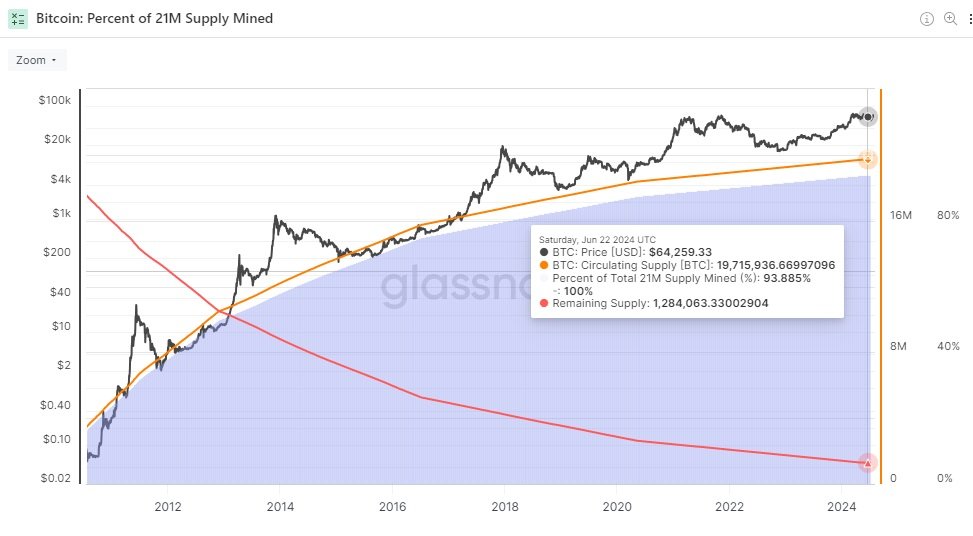
- Scarcity: With a hard cap of 21 million Bitcoins, its limited supply has driven investor interest.
- Media Attention: High-profile endorsements from figures like Elon Musk and Jack Dorsey, coupled with media coverage of its price volatility, catapulted Bitcoin into the mainstream.
- Investment Potential: The potential for significant returns attracted investors seeking alternative assets.

Five Key Bitcoin Concepts
- Limited Supply: As mentioned, there will only ever be 21 million Bitcoins in existence.
- Divisibility: Bitcoin is highly divisible, with the smallest unit being a Satoshi, equal to 0.00000001 Bitcoin.
- Blockchain Technology: Bitcoin operates on a public blockchain, a distributed ledger that records all transactions transparently.
- Mining: New Bitcoins are created through a computationally intensive process called mining, which involves solving complex mathematical problems.
- Anonymity: While Bitcoin transactions are publicly recorded on the blockchain, user identities remain pseudonymous, enhancing privacy.
Factors Influencing Bitcoin Price
Bitcoin’s price is highly volatile, influenced by a complex interplay of factors:
Supply and Demand
The balance between Bitcoin supply, which is fixed, and demand from investors and users directly impacts its price.
Investor Sentiment
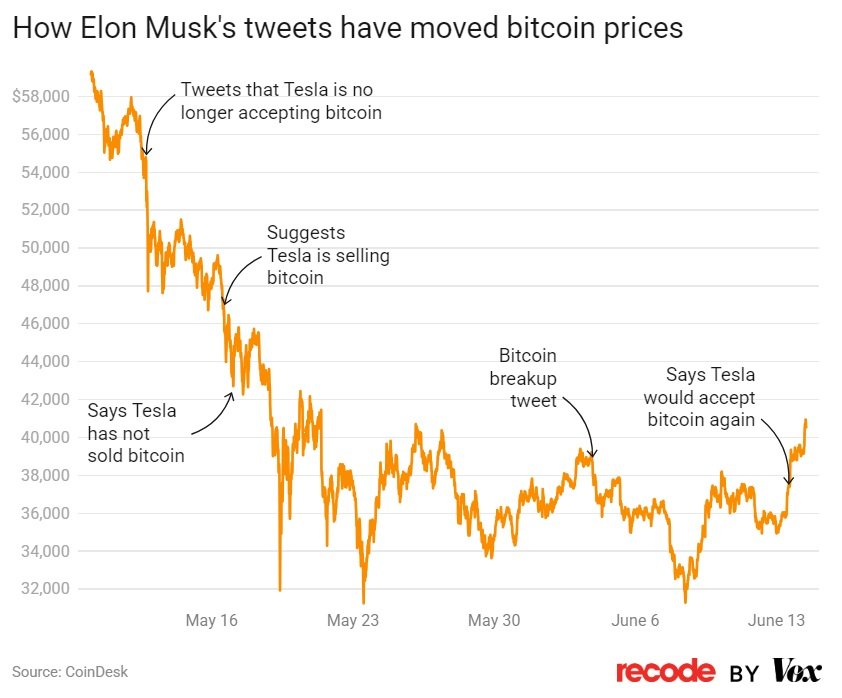
News events, regulatory changes, and overall market sentiment can significantly affect Bitcoin’s price. For example, Elon Musk’s tweets about Bitcoin have historically caused price fluctuations.
Regulatory Environment
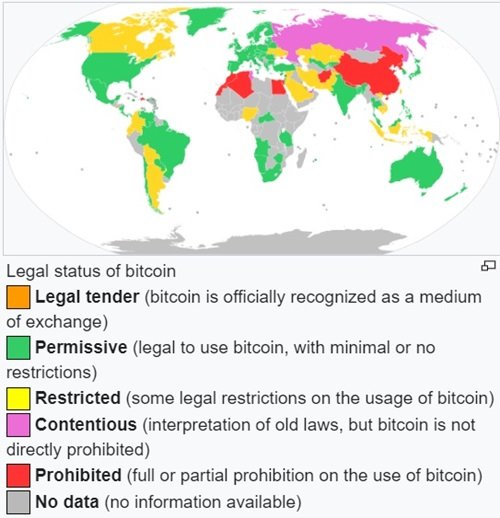
Government policies and regulations regarding cryptocurrencies can influence investor confidence and trading activity. Countries like El Salvador have embraced Bitcoin as legal tender, while others have imposed restrictions.
Technological Advancements
Innovations in Bitcoin’s underlying technology or the broader cryptocurrency ecosystem can impact its value. For instance, the development of Lightning Network, a layer-2 scaling solution, has the potential to increase Bitcoin’s usability.
Macroeconomic Factors
Global economic conditions, such as inflation, interest rates, and geopolitical events, can indirectly affect Bitcoin’s price.
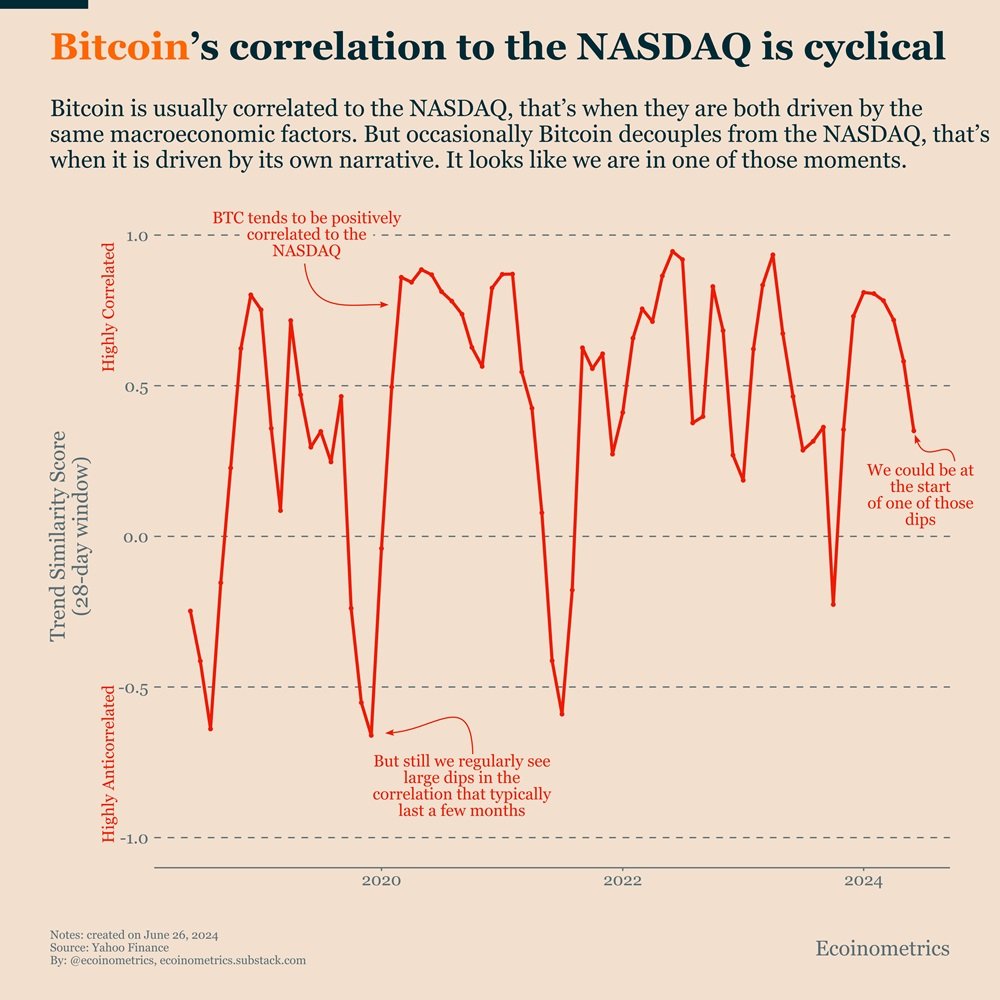
Understanding these factors is essential for anyone considering investing in Bitcoin, as it helps to navigate the inherently volatile market.