

Passive income, a recurring income generated with minimal ongoing effort, has become increasingly sought after. Cryptocurrencies, digital assets secured by cryptography, offer a potential avenue for passive income. Through activities like staking, lending, and yield farming, investors can earn rewards without actively trading. But remember, the crypto market is volatile. Do your research and manage risks wisely.
Keep reading to learn more about how to generate passive income with crypto.
Understanding Passive Income with Crypto
Passive income in the world of crypto refers to generating revenue from cryptocurrency investments without actively trading or managing them. This differs significantly from active trading, which requires constant monitoring and decision-making.
There are several ways to generate passive income with crypto:
- Staking: Holding cryptocurrencies in a wallet to support the network’s security and earn rewards.
- Lending: Loaning out cryptocurrencies to others for interest.
- Yield farming: Providing liquidity to decentralized exchanges (DEXs) in exchange for rewards.
- Cryptocurrency dividends: Earning dividends from certain cryptocurrencies that distribute profits to token holders.
Read on to learn more about the specifics on passive crypto income in Australia.
Crypto Staking in Australia
Staking is a way to earn rewards for holding cryptocurrencies. You lock up your coins to support the network’s security. Popular Australian platforms include Coinspot, Binance, Kraken, and BingX.
While staking can offer substantial returns, it’s important to be aware of the risks. Security breaches and market volatility can impact your investment. Additionally, staking rewards are generally considered taxable income in Australia.
To get started with staking, research reputable platforms, understand the specific requirements for your chosen cryptocurrency, and consult with a tax professional for personalized advice.
Crypto Lending in Australia
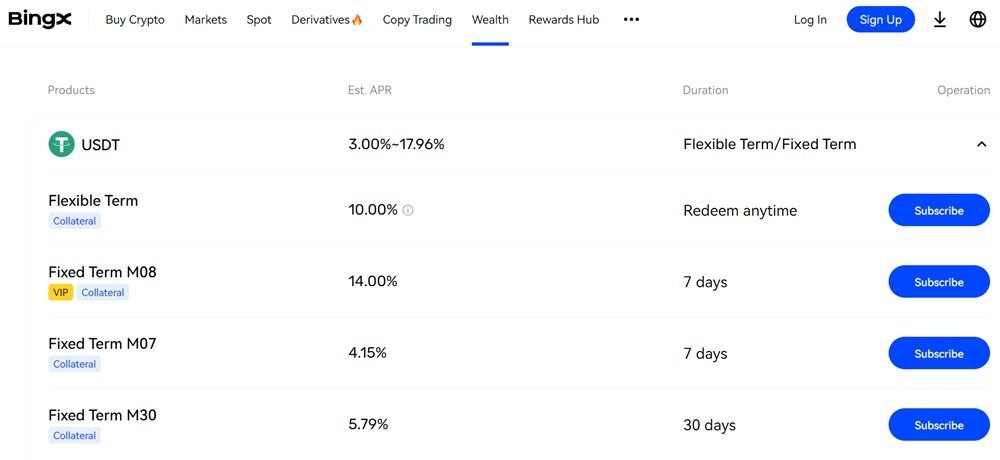
Crypto lending involves borrowing or lending cryptocurrencies. Lenders earn interest on their loans, while borrowers gain access to funds for various purposes. In Australia, crypto lending has gained popularity due to the potential for higher interest rates compared to traditional financial institutions.
To find reputable crypto lending platforms in Australia, consider the following factors:
- Security: Prioritize platforms with strong security measures to protect your funds and personal information.
- Reputation: Look for platforms with a positive track record and good reviews from other users.
- Interest Rates: Compare interest rates offered by different platforms to find the most favorable terms.
- Supported Cryptocurrencies: Ensure the platform supports the cryptocurrencies you want to lend or borrow.
Crypto lending is not without its risks. Market volatility can impact the value of the loan and the interest earned. Additionally, there’s a risk of default, where the borrower fails to repay the loan. It’s essential to conduct thorough research and understand the terms and conditions of any lending agreement.
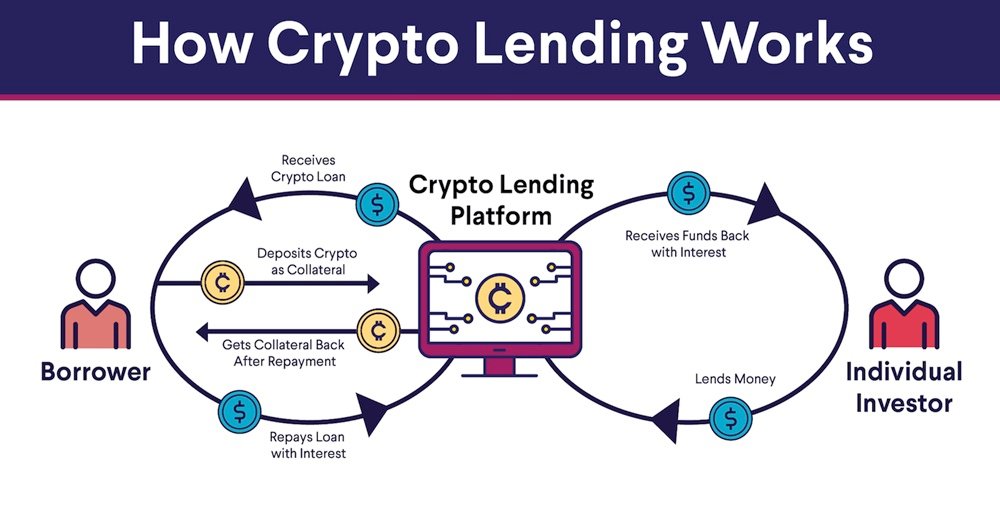
Crypto lending platforms typically offer interest rates that can range from 5% to as high as 20% annual percentage yield (APY) or more, depending on various factors. For instance, some platforms may advertise rates of up to 30% or even higher during periods of high demand for borrowing, particularly when market conditions favor lenders. However, these rates can fluctuate significantly based on market dynamics, such as the volatility of the underlying cryptocurrencies and the overall demand for loans
The tax implications for crypto lending in Australia can be complex. It’s generally recommended to consult with a tax professional to understand the specific tax treatment of your crypto lending activities.
Liquidity Providing (Liquidity Pools) in Australia
Liquidity pools are collections of cryptocurrency reserves held by decentralized exchanges (DEXs). These pools facilitate trading by providing a source of liquidity for buyers and sellers. As of 2023, the total value locked (TVL) in decentralized finance (DeFi) protocols, many of which rely on liquidity pools, has reached $54 billion USD, indicating a significant growth in their popularity.
Australia has a growing number of popular DEXs that offer liquidity providing opportunities. Some of the most well-known include Uniswap, Sushiswap, and PancakeSwap. These platforms collectively account for 70% of the global DeFi market, demonstrating their dominance in the Australian crypto space. Providers of liquidity earn rewards in the form of transaction fees generated on the DEX.

These fees can be substantial, with some liquidity providers earning 20% annualized returns on their staked assets. Additionally, some DEXs offer governance tokens to liquidity providers, which can grant voting rights and other benefits.
What are the Risks of Liquidity Providing?
One of the key risks associated with liquidity providing is impermanent loss. This occurs when the price of the two cryptocurrencies in a liquidity pool diverges significantly. Studies have shown that impermanent loss can be substantial, especially during periods of high market volatility. For example, a 10% price divergence between the two assets can result in a 1% impermanent loss.
The tax implications for liquidity providing in Australia can be complex. It’s generally recommended to consult with a tax professional to understand the specific tax treatment of your liquidity-providing activities. According to recent tax guidelines, up to 45% of capital gains tax may apply to the profits generated from liquidity providing.
Crypto Dividends in Australia
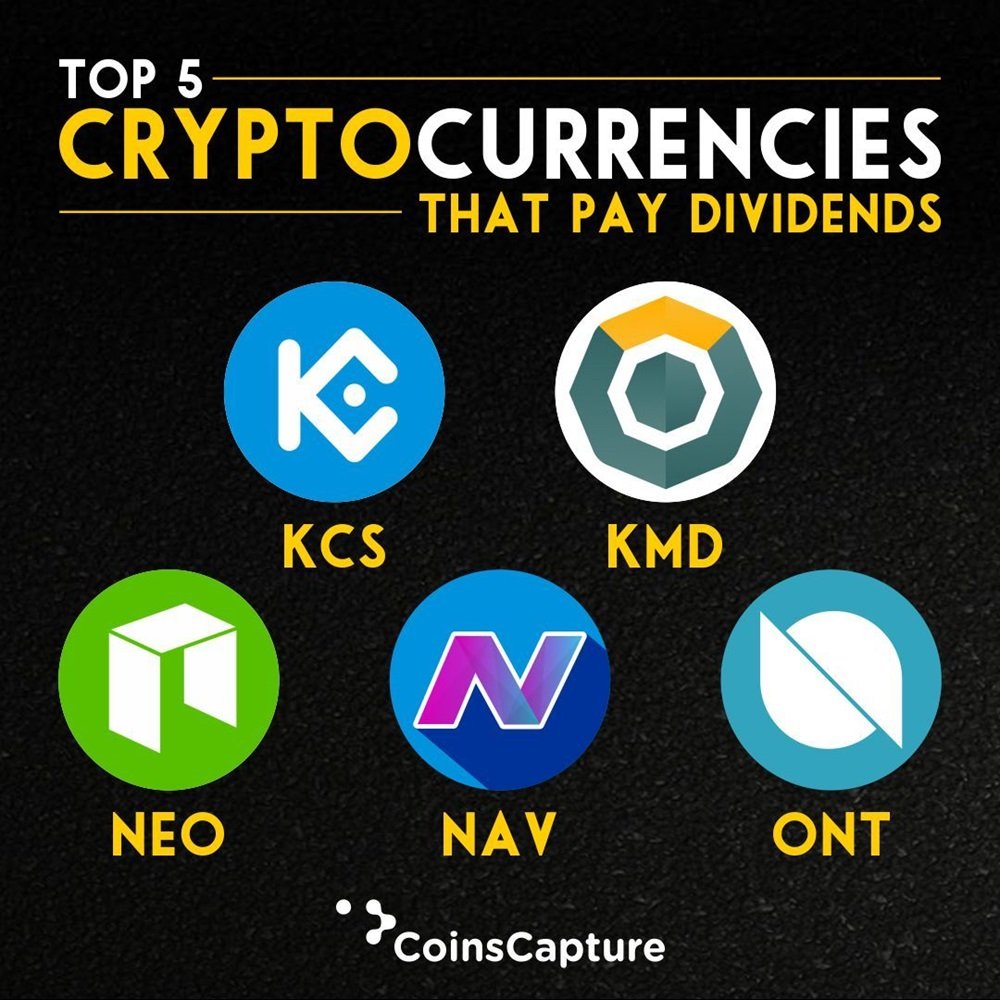
Crypto dividends are a type of passive income earned by holding certain cryptocurrencies. Similar to traditional stock dividends, crypto dividends represent a portion of a project’s profits or revenue that is distributed to its token holders.
4 Factors to Consider When Choosing Dividend-Paying Crypto
- Dividend Yield: The dividend yield represents the annualized dividend income as a percentage of the current token price. A higher dividend yield generally indicates a more substantial payout.
- Dividend Frequency: Consider how often dividends are paid. Some projects distribute dividends monthly, quarterly, or annually.
- Project Fundamentals: Evaluate the underlying project’s financial health, technology, and team to assess its long-term viability.
- Market Sentiment: Consider the overall market sentiment surrounding cryptocurrency and its potential for future growth.
Crypto dividends are generally considered taxable income in Australia. The Australian Taxation Office (ATO) treats them as ordinary income, subject to capital gains tax if you hold the cryptocurrency for more than 12 months. It’s essential to consult with a tax professional for personalized advice based on your specific circumstances.
Is Crypto Staking the Same as Crypto Dividends?
Crypto dividends are like earning a share of a company’s profits, while staking is more like earning interest on a savings account. Dividends are typically paid out by companies while staking rewards come from the network itself. Both can be passive income sources, but they work in different ways.
Real Estate Tokenization in Australia
Real estate tokenization is a process that divides ownership of a real estate asset into smaller, fractional units called tokens. These tokens can then be traded on a blockchain platform, making real estate investments more accessible and liquid. In Australia, real estate tokenization is gaining traction as a way to invest in property without the high entry costs associated with traditional real estate investments.
To invest in real estate tokens in Australia, you typically need to:
- Choose a Tokenized Property: Research and select a real estate project that has been tokenized.
- Purchase Tokens: Buy tokens representing ownership of the property on a blockchain platform.
- Hold or Trade: You can hold the tokens for potential capital appreciation or trade them on the secondary market.
Real estate tokenization offers the potential for higher returns compared to traditional real estate investments. By fractionalizing ownership, investors can gain exposure to high-value properties with lower entry costs. Additionally, the liquidity provided by blockchain platforms can make it easier to buy and sell tokens.

However, real estate tokenization also carries risks. The value of real estate tokens can fluctuate based on market conditions, and there’s a risk of illiquidity if the secondary market for the tokens is not active. Additionally, the regulatory landscape for real estate tokenization in Australia is still evolving, which could impact the future of this investment strategy.
The tax implications for real estate tokenization in Australia can be complex. It’s essential to consult with a tax professional to understand the specific tax treatment of your tokenized real estate investments. Factors such as the holding period, nature of the project, and the type of tokens can influence tax liabilities.
Risks and Considerations of Crypto Passive Income
Crypto passive income, while potentially lucrative, comes with significant risks. The cryptocurrency market is highly volatile, with prices fluctuating rapidly. To mitigate risks, diversifying your crypto portfolio across different assets is essential. This helps spread out risk and reduce the impact of potential losses.
Security best practices are crucial to protect your crypto assets. Using strong, unique passwords, enabling two-factor authentication, and storing your private keys in secure cold wallets can significantly reduce the risk of hacking and theft.
Additionally, the regulatory landscape in Australia is constantly evolving. Staying informed about changes in regulations can help you navigate the crypto market and understand the potential implications for your passive income strategies.