

Crypto exchanges have become integral to the cryptocurrency ecosystem, providing platforms for buying, selling, and trading digital assets. These platforms have evolved rapidly since the inception of cryptocurrencies, offering a variety of services and features to cater to both novice and experienced traders.
How Crypto Exchanges Work
At its core, a crypto exchange is a marketplace where users can exchange one cryptocurrency for another or for fiat currency (traditional money). The trading process typically involves creating an account, verifying identity, depositing funds, and placing orders.
There are several types of orders
- Market orders: These are executed immediately at the best available price.
- Limit orders: These allow users to set a specific price at which they want to buy or sell.
- Stop-loss orders: These are used to automatically sell a cryptocurrency if its price falls below a certain level.

3 Types of Crypto Exchanges
There are primarily three types of crypto exchanges:
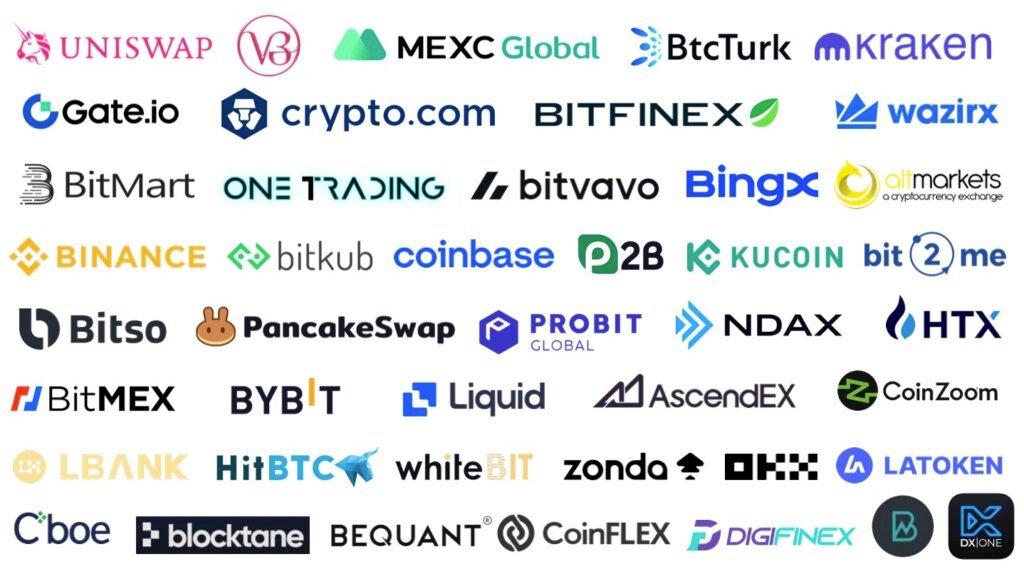
- Centralized exchanges (CEX): These platforms act as intermediaries, holding users’ funds in custody. Popular examples include Coinbase, Binance, and Kraken. CEXs offer a wide range of cryptocurrencies and trading pairs, but they are subject to regulatory oversight and carry inherent security risks.
- Decentralized exchanges (DEX): Unlike CEXs, DEXs operate without intermediaries, relying on blockchain technology to facilitate trades. This offers greater control and security for users but often involves higher transaction fees and lower liquidity.
- Over-the-counter (OTC) trading: This involves direct trading between two parties without using an exchange platform. OTC trades are typically for larger amounts and require finding a counterparty.
How Crypto Exchanges Make Money
Crypto exchanges generate revenue through transaction fees, which are typically a percentage of the trade value. Security is paramount, with reputable exchanges employing robust measures to protect user funds and data.
Fee Structure of Crypto Exchanges
Fees are a significant factor to consider when choosing a crypto exchange. These charges can vary widely between platforms and often depend on factors such as trading volume, the type of cryptocurrency involved, and the specific order placed.
Typically, exchanges charge transaction fees, which are a percentage of the trade value, as well as withdrawal fees when transferring funds off the platform. Understanding the fee structure is crucial for maximizing profits, as even small differences in fees can accumulate over time, impacting overall trading costs.
Key Factors to Consider When Choosing a Crypto Exchange
Selecting the right crypto exchange is crucial, especially for those starting their journey in cryptocurrency. Key factors to consider include:
- Security: Prioritize exchanges with strong security measures, such as two-factor authentication, cold storage for assets, and a history of safeguarding user funds.
- Fees: Compare transaction fees, withdrawal fees, and other charges across different platforms to optimize costs.
- Available cryptocurrencies: Ensure the exchange offers the cryptocurrencies you want to trade.
- User interface: A user-friendly platform enhances the trading experience.
- Regulation: Consider the regulatory environment of the exchange to assess potential risks and protections.

Risks Involved in Using Crypto Exchanges
While crypto exchanges offer exciting opportunities, they also come with risks:
- Security breaches: Despite robust security measures, exchanges can be targets for hackers.
- Market volatility: Cryptocurrency prices are highly volatile, leading to potential losses.
- Regulatory risks: Changes in regulations can impact the operations of crypto exchanges and affect user accounts.
Crypto exchanges have transformed the way people interact with cryptocurrencies. By understanding how they work, the different types available, and the associated risks, users can make informed decisions. As the cryptocurrency market continues to evolve, it’s essential to stay updated on the latest developments in the crypto exchange landscape.