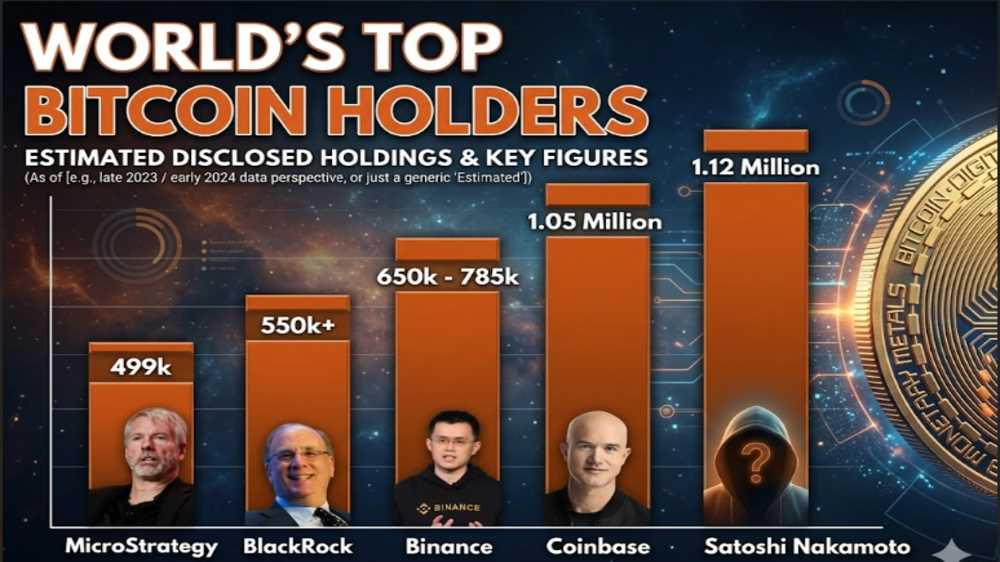
The narrative surrounding cryptocurrency has completely flipped. What started as an underground cypherpunk movement has morphed into a cornerstone of global macroeconomics. With a hard cap of exactly 21 million coins, the race to accumulate Bitcoin (BTC) has triggered a massive wealth transfer.
In 2026, the digital asset landscape is no longer dominated solely by early tech pioneers. Instead, Wall Street titans, sovereign nation-states, and aggressive corporate treasuries are buying up the circulating supply at an unprecedented rate. If you want to understand where the crypto market is heading next, you have to follow the "smart money."
Here is a comprehensive breakdown of the world's biggest Bitcoin whales and what their dominance means for the future of decentralized finance.
The Great Bitcoin Wealth Distribution
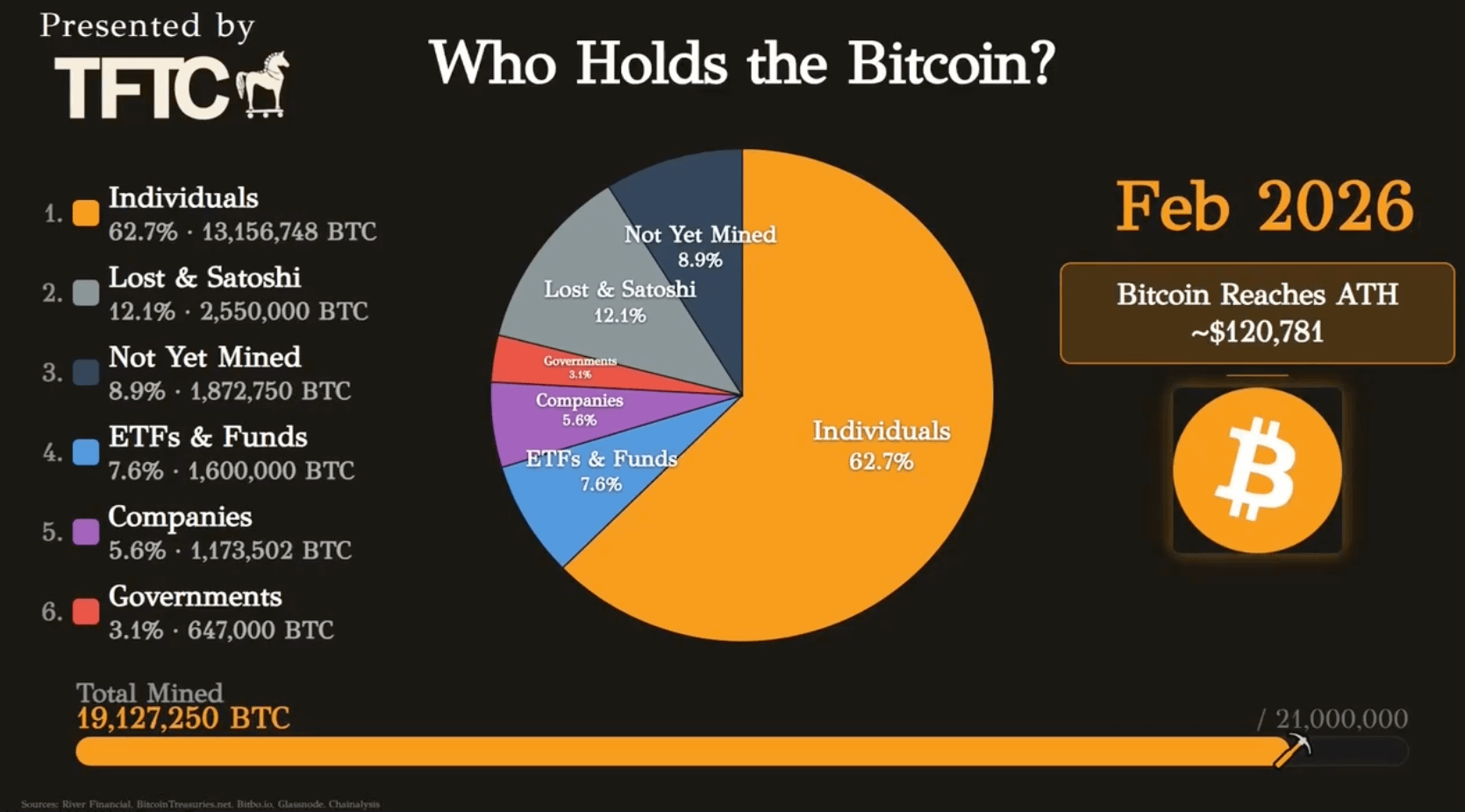
Because the blockchain is a public ledger, on-chain data allows us to track exactly where funds are moving, even if the wallet owners attempt to remain anonymous. Coupled with mandatory SEC filings for public companies and ETFs, the transparency of the network reveals a staggering concentration of wealth at the very top.
1. The Phantom Founder: Satoshi Nakamoto
Sitting at the absolute top of the cryptocurrency rich list is the anonymous architect of the blockchain itself. Across thousands of dormant wallets, Satoshi Nakamoto holds roughly 1.1 million BTC—mined during the network's infancy. Accounting for over 5% of the total maximum supply, these coins are widely considered "lost" or permanently locked, effectively reducing the actual available supply of Bitcoin to under 20 million.
2. The Corporate Leviathan: Strategy Inc.
When it comes to publicly traded entities, Michael Saylor’s Strategy Inc. operates in a league of its own. Treating BTC as its primary treasury reserve asset, the enterprise has relentlessly purchased coins through debt issuances and corporate cash flow. By mid-2026, their staggering hoard has surpassed 843,000 BTC. Their aggressive strategy has essentially turned their company stock into a leveraged proxy for Bitcoin itself.
3. Wall Street Custodians: The Spot ETFs
The approval of spot exchange-traded funds permanently altered the demand shock dynamics of crypto. Traditional finance behemoths now control massive reserves on behalf of their clients. BlackRock’s iShares Bitcoin Trust (IBIT) is the standout leader here, accumulating north of 814,000 BTC to back their ETF shares. This represents a monumental shift: mom-and-pop retirement accounts and massive pension funds are now indirectly some of the biggest whales in the ocean.
4. Sovereign Nation-States
Geopolitics has officially entered the chat. The United States Government holds a massive stockpile of roughly 328,000 BTC, primarily seized from historical cybercrime operations (like the Silk Road). Following the establishment of a strategic crypto reserve framework in 2025, these assets are now treated as long-term national security holdings. Meanwhile, countries like El Salvador continue to actively dollar-cost average, holding over 7,600 BTC directly in their national treasury.
What Does Institutional Dominance Mean for Everyday Investors?
The fact that massive corporations and governments own huge chunks of the network creates a double-edged sword for retail investors looking to build their portfolios.
- The Supply Shock Factor: With "diamond-handed" entities like Strategy Inc. and sovereign states refusing to sell, the liquid supply of Bitcoin available on exchanges is plummeting. Basic economics dictates that if demand from ETFs remains steady while the available supply shrinks, the long-term price floor must rise.
- Reduced Volatility (Over Time): Historically, Bitcoin has been famous for face-melting 80% crashes. As institutional money anchors the market cap in the multi-trillions, the wild price swings of the 2010s are expected to smooth out, making it a more reliable, albeit less explosive, store of value.
- Systemic Contagion Risks: If a highly leveraged whale—such as a major corporate holder—were forced to liquidate their holdings to cover debt obligations during a macro-economic crisis, it could trigger a cascading sell-off that temporarily crushes the spot price.
Final Takeaway: Should You Still Buy Bitcoin?
Looking at the 2026 wealth distribution, the window for becoming a whole-coiner (owning 1 full BTC) is rapidly closing for the average retail trader. The financial heavyweights have recognized Bitcoin's utility as a pristine, censorship-resistant collateral asset.
While the days of turning $100 into a million dollars overnight are over, Bitcoin remains one of the most compelling asymmetrical bets in modern finance. For long-term investors prioritizing wealth preservation over degenerate gambling, aligning your strategy with Wall Street's biggest players might be the smartest move of the decade.