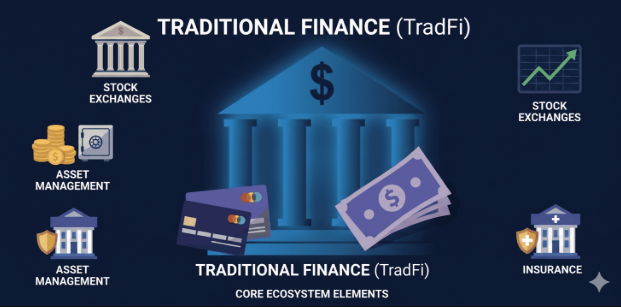
The financial landscape is undergoing a massive transformation. The hard borders that once separated Traditional Finance (TradFi) and Decentralized Finance (DeFi) are rapidly dissolving. As we move deeper into 2026, the TradFi integration in Web3 has become one of the most powerful narratives in the cryptocurrency space, driving institutional adoption and offering retail traders unprecedented access to global markets.
Whether you are looking to trade forex with cryptocurrency, invest in tokenized real-world assets (RWAs), or hedge your digital portfolio with gold, the convergence of these two ecosystems is unlocking a new era of capital efficiency.
Here is everything you need to know about the collision of Wall Street and the blockchain.
Editor's Note / Disclaimer:
Please be aware that regulatory environments vary significantly by jurisdiction. The cryptocurrency
exchanges and platforms mentioned may not support TradFi integration, tokenized assets, or certain
cross-market products in your specific region due to local financial regulations. Always do your own
research (DYOR) and consult with a certified financial professional before engaging in cross-market
trading or purchasing tokenized real-world assets.
What is TradFi?
TradFi, short for Traditional Finance, refers to the mainstream, legacy financial system that has powered the global economy for centuries. It encompasses heavily regulated institutions and asset classes that operate under the oversight of central banks and government authorities.
Key characteristics of TradFi include:
- Centralized Institutions: Banks, brokerages, clearinghouses, and insurance companies.
- Legacy Asset Classes: Fiat currencies (USD, EUR, GBP), equities (stocks), bonds, commodities (gold, oil), and foreign exchange (Forex).
- Strict Market Hours: Traditional stock exchanges typically operate on a 9-to-5 schedule from Monday to Friday, leaving traders exposed to weekend market gaps.
- High Barriers to Entry: Geographic restrictions, complex onboarding processes, and high capital requirements often limit participation for retail investors.
While TradFi offers stability, regulatory protection, and deep liquidity, it is often criticized for being slow, exclusionary, and reliant on outdated infrastructure.
What's TradFi in Crypto?
TradFi in crypto refers to the tokenization and integration of legacy financial instruments into blockchain networks and cryptocurrency exchanges. Instead of forcing traders to choose between the volatility of Web3 and the stability of traditional markets, crypto platforms are building a unified infrastructure where both can coexist.
In 2026, this integration primarily takes the form of:
- Perpetual Contracts for Traditional Assets: Crypto-native derivatives tied to the price of stocks, indices, and precious metals, settled entirely in stablecoins like USDT.
- Tokenized Real-World Assets (RWAs): Physical or traditional assets (like real estate, treasury bills, or corporate bonds) represented as digital tokens on a blockchain.
- Cross-Market Collateralization: The ability to use your cryptocurrency holdings (like Bitcoin or Ethereum) as collateral to trade traditional forex pairs or commodities.
By bringing TradFi into Web3, traders gain 24/7 market access, borderless liquidity, and the ability to express macroeconomic views without ever leaving their crypto wallets.
How to Start Trading TradFi with Crypto
Getting started with cross-market trading is easier than ever. You no longer need to wire fiat currency to an offshore brokerage or manage multiple isolated accounts.
Here is a step-by-step guide to trading traditional assets using cryptocurrency:
- Select a Hybrid Crypto Exchange or RWA Platform: Choose a reputable platform that officially supports TradFi instruments, tokenized stocks, or forex trading (see our platform breakdown below).
- Fund Your Account with Stablecoins: Most platforms use USDT (Tether) or USDC as the base currency for TradFi trading and purchasing RWAs. Deposit crypto into your wallet or use a fiat on-ramp to purchase stablecoins.
- Navigate to the TradFi or RWA Dashboard: Look for the "TradFi," "Cross-Market," "Perpetual Futures," or "Earn" tab on your chosen exchange or protocol.
- Select Your Asset: Browse through available global indices (e.g., S&P 500, NASDAQ), commodities (Gold, Silver, Crude Oil), major forex pairs, or tokenized U.S. Treasuries.
- Set Your Orders and Execute: For trading platforms, set your stop-loss and take-profit orders, and open your position. For RWA platforms, simply execute your purchase to begin accruing yield. All profits, losses, and yields will be settled directly in your crypto wallet.
Platforms Supporting TradFi
The race to become the ultimate bridge between Web3 and legacy markets is highly competitive. Leading centralized exchanges and decentralized protocols are actively deploying massive infrastructure upgrades to seamlessly integrate tokenized assets.
Here is a comparison of the top platforms driving TradFi integration in Web3 today:
| Platform | Core TradFi Offering | Available Asset Classes | Key Feature |
|---|---|---|---|
| Ondo Finance | Tokenized Real-World Assets | U.S. Treasuries, Equities, Yield-Bearing Stablecoins | Institutional-grade infrastructure for purchasing and holding tokenized traditional yields on-chain. |
| Bybit | Bybit TradFi (MT5 Integration) | Forex, Stocks, Indices, Commodities | Unified collateral systems bridging digital and traditional assets. |
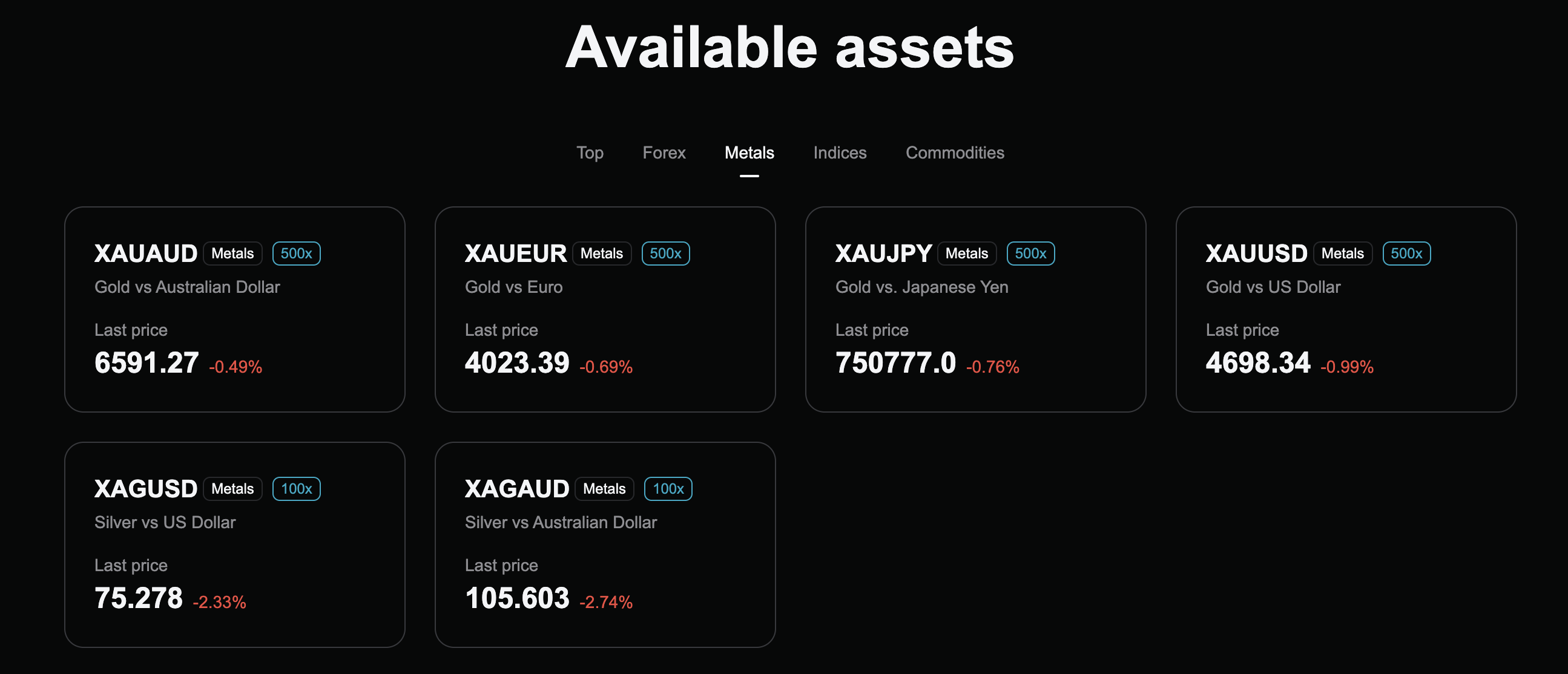
| Bitget | Universal Exchange (UEX) | Forex, Metals, Indices, Stock CFDs | Complete ecosystem allowing traders to express macro views with USDT. |
| Binance | TradFi Perpetual Contracts | Precious Metals, Select Stocks & ETFs | Multi-Asset mode lets traders use existing crypto as collateral for traditional markets. |
| OKX | Deep Fiat/Web3 Integrations | Fiat-to-Crypto, RWAs via Web3 | Institutional-grade API pricing and robust decentralized exchange (DEX) aggregators. |
Ondo Finance
While traditional exchanges focus strictly on active trading, Ondo Finance leads the charge in the tokenization of Real-World Assets (RWAs). Ondo provides on-chain infrastructure for investors to buy and hold traditional yield-generating assets. Through products like OUSG (tokenized U.S. Treasuries) and USDY (a yield-bearing stablecoin alternative), as well as tokenized equities via Ondo Global Markets, Ondo allows Web3 users to earn institutional-grade traditional finance yields without leaving the blockchain ecosystem.
Bybit
Bybit has positioned itself as "The New Financial Platform," aggressively expanding beyond its crypto origins. Through its dedicated Bybit TradFi service (integrated with MetaTrader 5), users have access to hundreds of TradFi instruments, including U.S. stock CFDs, global indices, and forex pairs. Their zero-fee and tight-spread models make them a favorite for high-frequency algorithmic traders.
OKX
OKX is a powerhouse when it comes to bridging the gap via Web3. OKX focuses heavily on seamless fiat on-ramps and deep wallet integrations. By partnering with institutional liquidity providers and focusing on self-custody solutions, OKX allows users to interact with tokenized assets and institutional-grade pricing without friction.
Binance
Binance approaches the convergence by applying the crypto-native perpetual contract model to traditional assets. Through Binance TradFi Perpetuals, users can trade assets like Gold (XAUUSDT), Silver, and major equities 24/7. Their Multi-Asset mode is a massive draw, allowing traders to utilize their existing crypto holdings (like BTC) as collateral to trade traditional markets, entirely bypassing legacy clearinghouses.
Bitget
Bitget is championing the Universal Exchange (UEX) concept. Bitget allows users to trade macro-driven asset classes using USDT directly from their spot wallets. They do not just mimic traditional brokerages; they adapt legacy markets to the high-speed, 24/7 trading style that crypto natives expect, making it incredibly easy to hedge digital portfolios against real-world economic events.